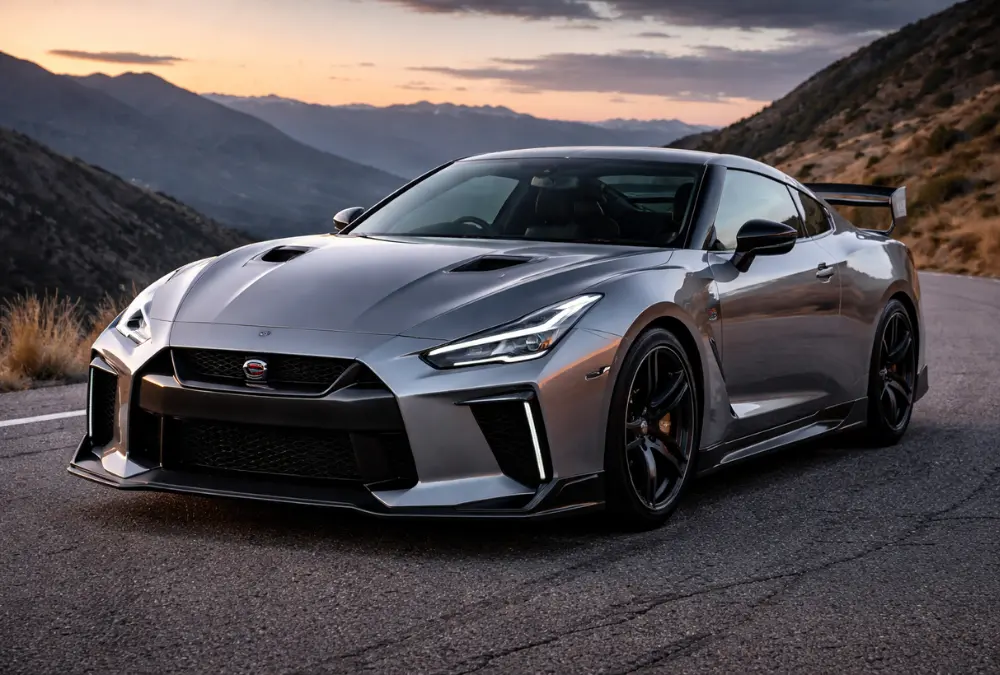
Nissan GT-R R36 Won’t Go Fully Electric – A Different Future for “Godzilla”
The next chapter of the legendary GT-R is finally getting clearer, and it’s not what many people expected. Nissan GT-R fans had been preparing for a fully electric version, but Nissan has now confirmed that the upcoming R36 generation will not be a pure EV. Instead, the brand is taking a more practical and performance-focused route.
This update comes at a time when most global carmakers are aggressively moving toward electric vehicles. Still, Nissan seems to be playing a longer game with the GT-R, making sure it doesn’t lose what made it special in the first place.
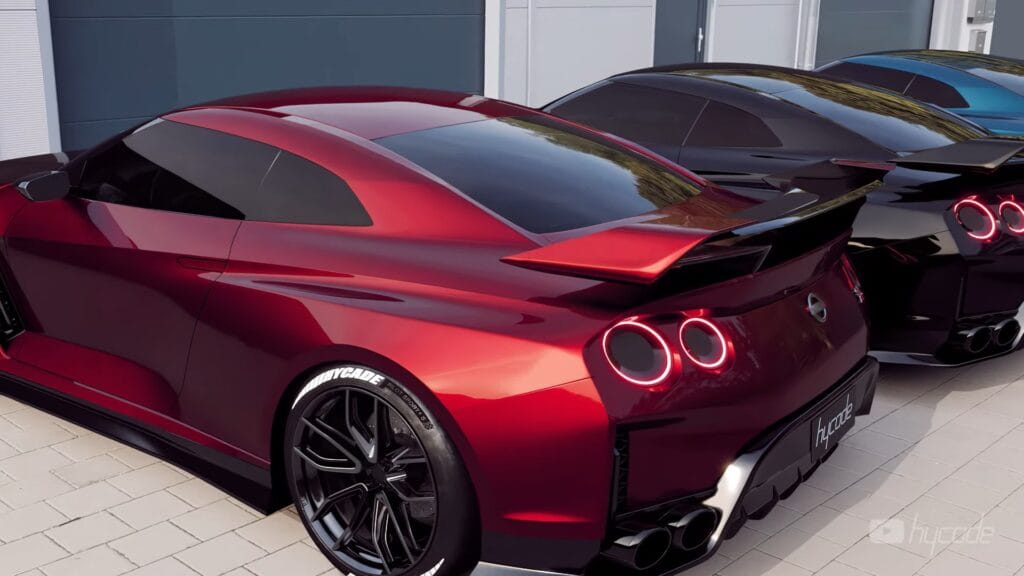
Nissan GT-R R36 Not Electric Yet – And There’s a Clear Reason
Nissan’s decision isn’t random. The company believes that current electric technology still isn’t perfect for a car like the GT-R. High-performance EVs tend to become heavy because of large battery packs, and that extra weight can affect handling, agility, and driving feel.
For a car that built its reputation on precision and raw power, that trade-off is a big deal. Nissan doesn’t want to release a GT-R that feels fast in a straight line but loses its sharp character on corners and track performance. That’s why the brand is holding back from going fully electric—for now.
Hybrid Power Could Be the Sweet Spot
Instead of going all-electric, Nissan is expected to use a hybrid setup for the R36. This means the car will likely combine a petrol engine with electric motors to boost performance and efficiency at the same time.
The current GT-R’s twin-turbo V6 engine could evolve into a more advanced version, supported by electrification. This setup can deliver instant torque from electric motors while still keeping the aggressive sound and feel of a petrol engine.
In simple words, Nissan is trying to keep the soul of the GT-R alive while still adapting to future regulations.
Development Is Still Ongoing
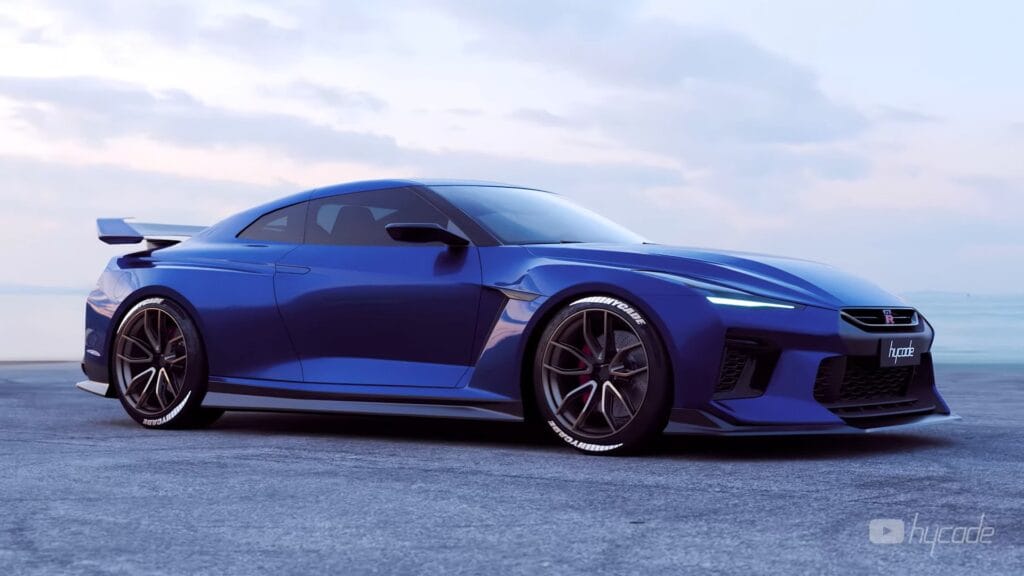
The R36 GT-R is not arriving anytime soon. Nissan has made it clear that the car is still under development, and they are taking their time to get everything right.
The previous generation lasted nearly two decades, which shows how carefully Nissan approaches this model. With the R36, expectations are even higher—not just in performance, but also in design, technology, and overall driving experience.
Industry expectations suggest the new GT-R could arrive toward the end of this decade, although no official launch date has been confirmed yet.
What This Means for Performance Car Lovers
This news is actually positive for enthusiasts. A fully electric GT-R might have been quick, but it could have lost the emotional connection that drivers love. By choosing a hybrid route, Nissan is trying to balance modern innovation with traditional performance DNA.
The GT-R has always been more than just numbers—it’s about how the car feels on the road. And with this decision, Nissan is clearly saying that performance experience still matters just as much as technology.
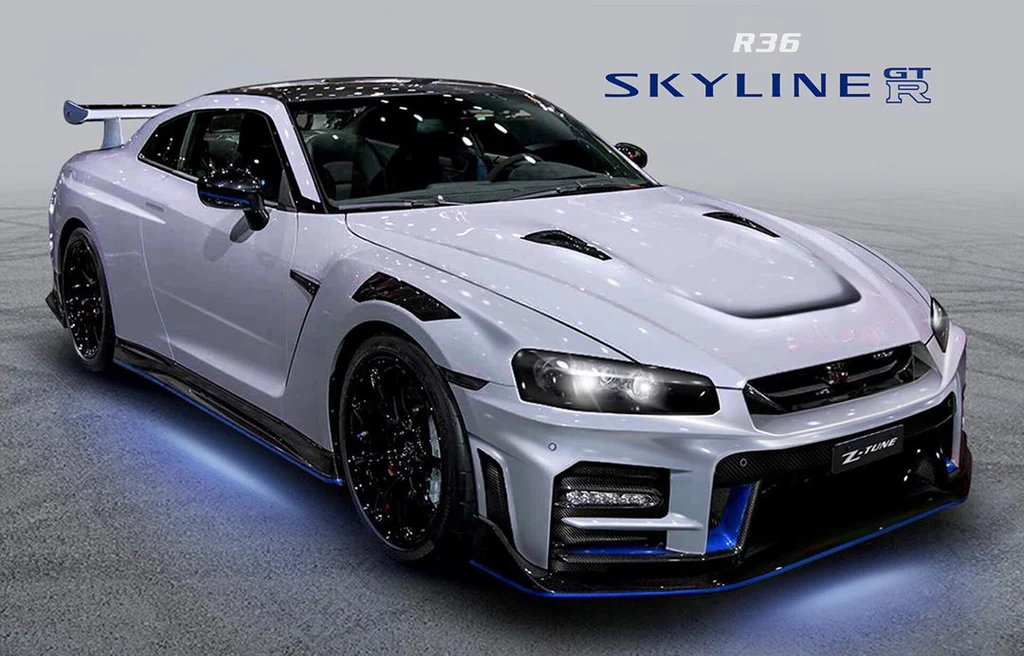
Conclusion
The R36 GT-R won’t be fully electric, and that’s a bold move in today’s EV-focused world. But it also shows that Nissan understands its audience. Instead of rushing into electrification, the company is choosing a smarter path—one that protects the legacy of the GT-R while still preparing it for the future.
For now, one thing is clear: the next GT-R may change, but it won’t forget where it came from.
Also Read: –
New Land Rover Defender Octa 2025
Royal Enfield Super Meteor 650
KTM 390 Adventure S: Know Price, Features, Mileage
Disclaimer: This article is based on currently available reports and official statements. Final specifications, features, and launch timelines of the Nissan GT-R R36 may change as the company continues development.