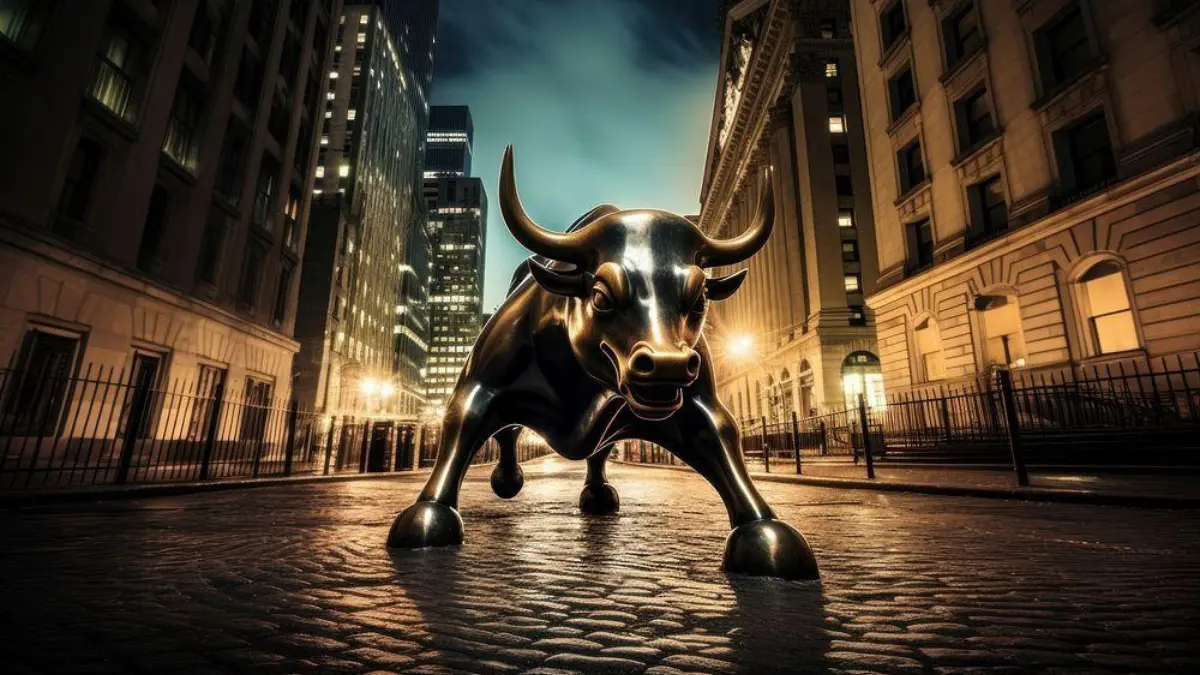
The biggest reason behind this market strength is confidence in corporate performance, especially in the technology sector. Companies linked to artificial intelligence, cloud computing, and advanced chips are showing strong earnings growth. Investors are betting that these industries will continue to expand regardless of short-term geopolitical tensions. In simple terms, the market is looking ahead rather than reacting to what’s happening right now.
Another important factor is the belief that the Iran conflict may not spiral into a larger global crisis. Even though the situation remains tense, reports of temporary pauses and controlled responses have given investors some relief. Markets tend to react sharply only when there is uncertainty about escalation. For now, many traders seem to believe that the situation, while serious, will stay contained.
There is also a strong psychological factor at play. Over the past few years, investors have developed a habit of “buying the dip.” Whenever markets fall due to bad news, people see it as a chance to invest rather than a warning sign. This mindset is still very active. So even when negative headlines appear, money quickly flows back into stocks, pushing prices higher again.
Stocks Record High Iran War : Rising Oil Prices, Economic Pressure, and the Hidden Risks Behind the Market Rally
At the same time, the global economic picture tells a slightly different story. Oil prices have jumped significantly due to supply concerns linked to the Iran situation. This has raised fears of inflation returning in some parts of the world. Higher energy costs can affect everything from transportation to food prices, putting pressure on both businesses and consumers. In regions like Europe and parts of Asia, markets have shown more caution, reflecting these concerns.
This creates a noticeable gap between what the stock market is doing and what the real economy is experiencing. While Wall Street is celebrating new highs, the underlying risks haven’t disappeared. Some experts believe the market is currently underestimating how quickly things could change if the conflict intensifies or disrupts global trade routes more seriously.
There are also warnings coming from major financial institutions that this rally may not be as stable as it looks. Rapid market gains, especially during uncertain times, can sometimes be driven more by sentiment than by solid fundamentals. If investor confidence shifts even slightly, the same momentum that pushed markets upward could reverse quickly.
Still, it’s important to understand that markets are forward-looking by nature. Investors are constantly trying to predict what will happen months or even years ahead. Right now, the dominant belief is that economic growth—especially driven by technology and innovation—will continue, and that central banks will step in if conditions worsen. This expectation is helping markets stay resilient.
For everyday readers and small investors, the key takeaway is simple. The stock market rising doesn’t always mean everything is stable. It often reflects what people believe will happen next, not necessarily what is happening today. While the current rally shows confidence, it also carries hidden risks that shouldn’t be ignored.
In the coming weeks, everything will depend on how the Iran situation develops and how oil prices behave. If tensions remain controlled, markets could continue their upward trend. But if the conflict escalates or starts affecting global supply chains more severely, we could see sudden volatility.
Right now, the market is walking a fine line between optimism and uncertainty. And as history has shown, it doesn’t take much for that balance to shift.
“There’s a lot of complacency out there,” Maley said.